Talk to us Please don’t hesitate to call us on +251 938 17 17 17 or 6239
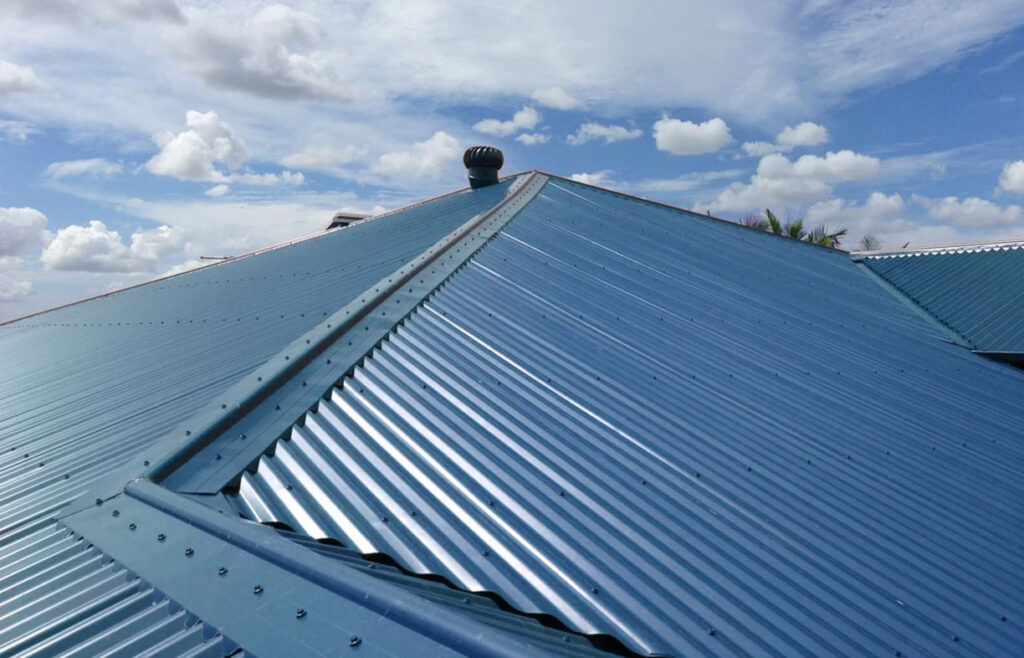
Corrugation Profile: The “corrugated” part of the name refers to the specific profile of the roofing sheet. Corrugated sheets are characterized by a series of evenly spaced, raised ridges and valleys running along the length of the sheet. These corrugations add strength, rigidity, and allow for effective water drainage.
11/3 Pattern means: The “11/3” designation typically indicates the dimensions of the corrugation pattern. Specifically, it signifies that there are 11 corrugations (ridges) and 3 valleys within a standard sheet length. This pattern is a common and standardized configuration for corrugated roofing sheets.
These sheets are often made from various materials, including galvanized steel, aluminum, or sometimes even fiberglass. The choice of material depends on factors like budget, climate, and specific project requirements.
Corrugated roof sheets are known for their durability and ability to withstand various weather conditions, including rain, snow, and wind. They are typically coated or treated to resist corrosion.
Maintenance for Versatile roofing sheets is relatively straightforward, as they are less prone to damage and deterioration compared to traditional roofing materials like clay tiles.
Corrugated sheets are usually more affordable than some other roofing materials, making them a popular choice for residential and commercial construction projects where cost is a consideration.
The corrugated design of the sheets allows rainwater to flow easily along the valleys and away from the roof's surface, reducing the risk of leaks.
They are relatively easy to install due to their lightweight nature and standardized design. Proper installation includes overlapping the sheets and using appropriate fasteners and sealants.
Corrugated roof sheets are commonly used in a variety of applications, including residential homes, agricultural buildings, industrial warehouses, and more.